Types of Roof Flashing and Where Each Is Used
People searching for roof flashing often want to ensure proper protection and waterproofing; local contractors can expertly install the right types of roof flashing for each area.
Understanding the different types of roof flashing and where each is used can be an essential part of maintaining a durable, weather-resistant home. Property owners in the area might explore this topic to better recognize potential vulnerabilities or to ensure their roofing systems are properly protected against leaks and water intrusion. Knowing the right flashing for specific roof features helps in making informed decisions about repairs or upgrades, and it can also guide property owners when consulting with local contractors who specialize in roof flashing installation and repair.
Local service providers offer a range of roof flashing solutions tailored to various roofing styles and environmental conditions. Whether dealing with chimney flashing, valley flashing, or step flashing, experienced contractors can recommend and install the most suitable materials and designs for each application. Keeping these details in mind can help property owners choose the right professionals for their needs, ensuring their roof continues to perform effectively over time.
- Step flashing - needed when installing flashing at roof intersections and chimneys, with local contractors ensuring proper installation to prevent leaks.
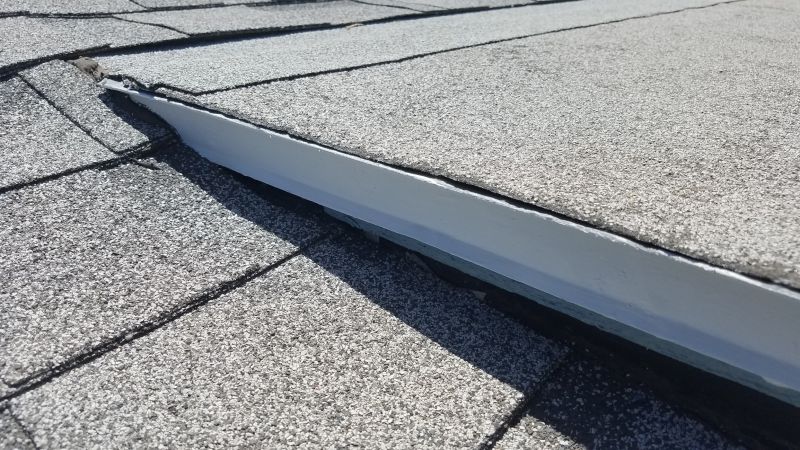
- Continuous flashing - used along roof edges and valleys, with service providers customizing it to fit the specific roof design for optimal protection.
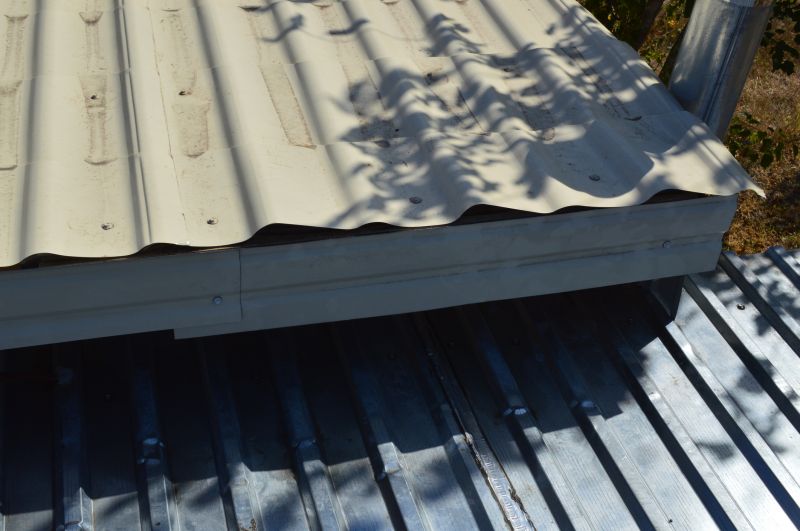
- Counter flashing - required around features like vents and skylights, where pros integrate it with existing masonry or siding for a seamless barrier.
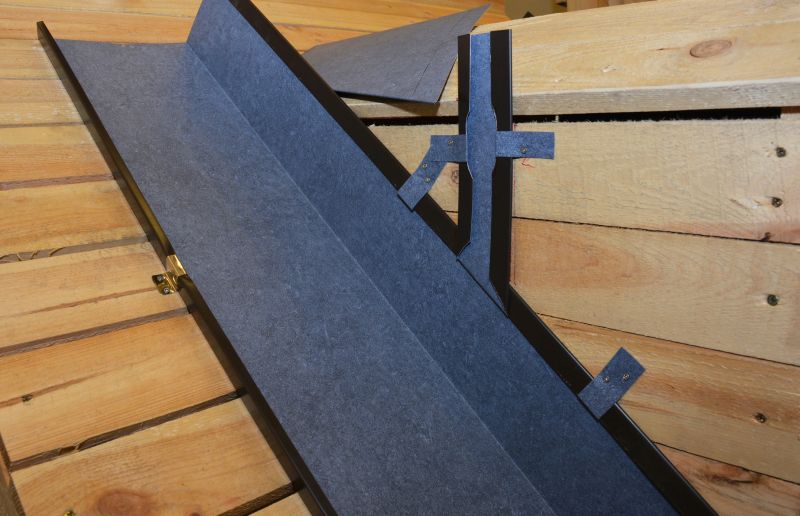
- Valley flashing - essential in roof valleys to channel water away efficiently, with local specialists shaping and securing it for maximum durability.
- Skirt flashing - installed along the eaves and rake edges, with local contractors ensuring proper overlap to protect vulnerable roof areas from water intrusion.


When homeowners search for information about types of roof flashing and where each is used, they are often trying to understand how to properly protect their roofs from leaks and water damage. Roof flashing is a critical component that directs water away from vulnerable areas such as joints, valleys, and penetrations. This search typically relates to ongoing home improvement projects, roof repairs, or new roof installations. Property owners may be experiencing leaks or seeking to prevent future issues, especially around areas where different roof planes meet or around features like chimneys, skylights, and vents. Understanding the different types of flashing helps homeowners communicate effectively with local contractors and ensure the right materials are used for their specific roofing needs.
Different types of roof flashing are designed to serve specific functions depending on the location and the nature of the roof. For example, step flashing is commonly used along the sides of chimneys and walls, where it can be layered to shed water effectively. Continuous or apron flashing often covers larger areas like the base of a chimney, providing a seamless barrier against water intrusion. Valley flashing is installed in roof valleys where two roof slopes meet, directing runoff safely down the roof. Each type is chosen based on the roof’s design, the materials used, and the potential exposure to water. Local service providers can assess the property's unique features to recommend the most suitable flashing types for long-term protection.
The types of properties that typically involve roof flashing work include residential homes, especially those with complex roof designs, as well as small commercial buildings. In homes, flashing is essential around features such as dormers, skylights, vents, and chimneys, where water could otherwise seep into the structure. For multi-story or older properties, the proper installation and maintenance of flashing become even more critical to prevent leaks and structural issues. Commercial properties with flat or low-slope roofs also rely heavily on specialized flashing to ensure water is directed away from seams and penetrations. Local contractors experienced in these types of properties can help evaluate existing flashing systems or install new components to suit the specific demands of each building.
Understanding the various types of roof flashing and where each is used helps property owners make informed decisions about their roof’s protection. Proper installation by experienced local service providers ensures that flashing performs as intended, preventing water intrusion and extending the life of the roof. Whether it’s a simple repair or a complete upgrade, knowing which flashing types are appropriate for different areas of a property can make a significant difference. Connecting with local roof flashing specialists allows homeowners to access expert advice and quality workmanship tailored to their specific roofing situation, helping to safeguard their property against water damage over time.
Roof repair projects - repairs often involve replacing or installing flashing to prevent leaks, requiring similar skills and tools used in flashing installation.
Chimney waterproofing - sealing and flashing around chimneys involves planning and materials comparable to those used in roof flashing to ensure watertight joints.
Gutter installation and maintenance - installing or repairing gutters requires understanding roof edges and flashing to ensure proper water flow and protection.
Skylight installation - fitting skylights involves flashing techniques to create a weatherproof seal around openings in the roof.
Slope and roof deck inspections - evaluating roof conditions includes assessing flashing placement and integrity, similar to flashing service work.
Roof ventilation projects - installing vents often involves flashing details to ensure proper sealing and airflow management in roofing systems.
When evaluating service providers for roof flashing installation or repair, it is important to consider their experience with similar projects. Service providers who have a history of working on homes with comparable roof types and flashing needs are more likely to understand the nuances of different flashing materials and their appropriate applications. This experience can translate into a more accurate assessment of what types of roof flashing and where each is used, ensuring the chosen solutions are effective and durable for the specific conditions of the home.
Clear and detailed written expectations are essential when comparing local contractors for roof flashing services. A reputable service provider should be able to explain the scope of work, the materials they recommend, and the reasoning behind their choices. This transparency helps homeowners understand what to expect and ensures that the project aligns with the specific requirements of different types of roof flashing and their placement. Well-defined expectations also facilitate smoother communication throughout the project, reducing the risk of misunderstandings or surprises.
Reputable references and good communication are key indicators of a reliable contractor. When seeking roof flashing services, it’s helpful to ask for references from past clients who had similar work done. This feedback can provide insights into the contractor’s professionalism, quality of work, and ability to handle the complexities of different flashing types. Additionally, a service provider who communicates clearly and promptly can better address questions about the best flashing options for a particular roof, ensuring that homeowners feel informed and confident in their choices.
Property owners often search for types of roof flashing and where each is used when they are planning practical projects around their homes and businesses. Local pros provide Roof Flashing services for everyday jobs and straightforward project options.

Understanding the different types of roof flashing and where each is used can help property owners identify potential issues and ensure their roof is properly protected. Common types include step flashing, continuous flashing, and apron flashing, each designed for specific parts of a roof such as valleys, chimneys, and roof-to-wall transitions. When these flashings are installed correctly by local contractors, they help prevent water intrusion and damage, which can save money and extend the roof’s lifespan. Homeowners or property managers often look up this information to better understand what might be needed during repairs or upgrades, making it easier to communicate with local service providers about their roofing concerns.
Choosing the right type of roof flashing depends on the particular features and layout of a property’s roof. For example, step flashing is frequently used around chimneys and vent pipes, while continuous flashing is common along the edges of a roof or at roof-to-wall intersections. Local contractors experienced in roof flashing services can assess the specific needs of a property and recommend the most suitable materials and installation techniques. Property owners seeking to maintain the integrity of their roofs often consider consulting with these service providers to ensure that flashing is correctly installed or repaired, helping to prevent leaks and moisture issues over time.
What are the main types of roof flashing? The main types include step flashing, continuous (or apron) flashing, valley flashing, and chimney flashing. Local contractors can help determine which type is suitable for specific roof features and ensure proper installation.
Where is step flashing typically used? Step flashing is commonly used around roof intersections, such as where a roof meets a wall or chimney. Local service providers can install it correctly to prevent leaks in these vulnerable areas.
What is continuous flashing and where is it applied? Continuous flashing is a long, single piece of metal that runs along roof edges or valleys. Local roofing experts can install it to provide a seamless barrier against water intrusion.
When is valley flashing necessary? Valley flashing is used in roof valleys where two roof slopes meet. Local pros can ensure proper installation to direct water flow and prevent leaks in these critical spots.
Why is chimney flashing important and how is it installed? Chimney flashing seals the gap between the chimney and roof to prevent water entry. Local contractors can install it with specialized techniques to ensure durability and effective waterproofing.
Step flashing installation - property owners can plan to have step flashing installed around chimneys and roof intersections to prevent leaks, with local contractors providing expert services.
Continuous flashing use - choosing continuous or apron flashing for flat roof edges can help protect large surface areas, and local pros can ensure proper placement.
Valley flashing choices - selecting appropriate valley flashing materials can improve water runoff in roof valleys, with local service providers handling precise installation.
Vent and pipe flashing - property owners can ensure vents and pipes are sealed with specialized flashing, with local contractors providing tailored solutions for different roof types.
If you are thinking about types of roof flashing and where each is used for a property, this guide is meant to help you understand this topic, the typical project types, and how different options might fit your plans.
When you are ready, you can use the quote form on this page to share a few details about your project. From there, local pros can review the basics and follow up with options that match what you have in mind.