Common Roof Flashing Problems That Lead to Water Damage
To prevent water damage caused by common roof flashing problems, local contractors can install, repair, or replace flashing to ensure your roof stays watertight.
Homeowners and property owners in the area often face concerns about water damage caused by issues with roof flashing. Understanding common roof flashing problems that lead to water intrusion can help prevent costly repairs and preserve the integrity of a building’s structure. Since roof flashing plays a crucial role in directing water away from vulnerable areas, recognizing early signs of trouble and knowing when to seek professional assistance can make a significant difference in maintaining a dry, secure property.
For those exploring options to address roof flashing concerns, local contractors specializing in installation and repairs are equipped to handle these issues effectively. Proper installation and timely maintenance of roof flashing can help mitigate common problems before they lead to water damage. Keep reading to learn more about typical flashing issues and how skilled service providers can help protect your property from water-related challenges.
- Roof flashing replacement - needed when existing flashing has deteriorated or failed, and local contractors approach it by removing old materials and installing new, properly sealed flashing.
- Roof flashing repair - required when leaks or damage are detected around flashing areas, with service providers inspecting for gaps or corrosion and applying targeted fixes.
- Flashing sealing services - essential when flashing joints or seams are compromised, and local pros focus on applying sealants to prevent water infiltration.
- Step flashing installation - necessary during roof renovations or new constructions when proper step flashing is needed to direct water away from roof penetrations, with contractors ensuring correct placement.
- Vent and chimney flashing services - needed when flashing around vents or chimneys shows signs of wear, with local specialists installing or replacing flashing to maintain a water-tight seal.
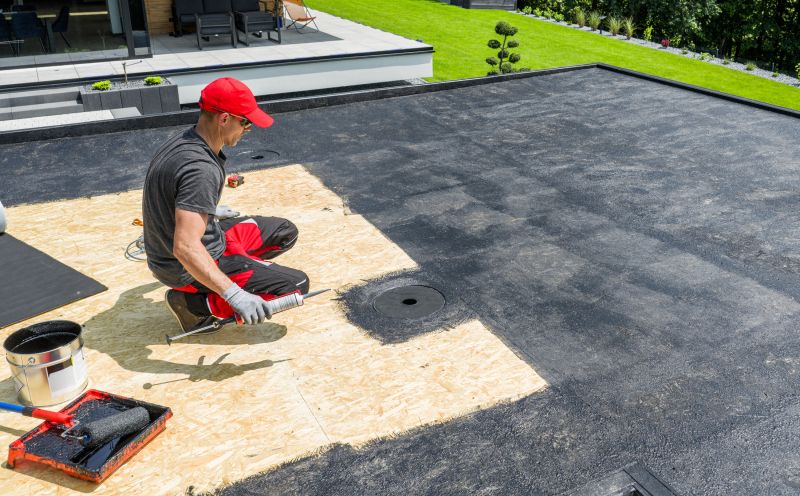
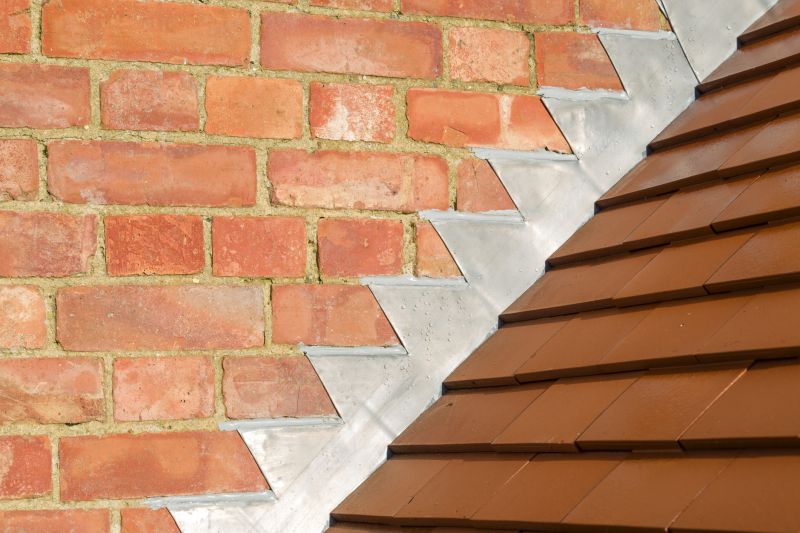
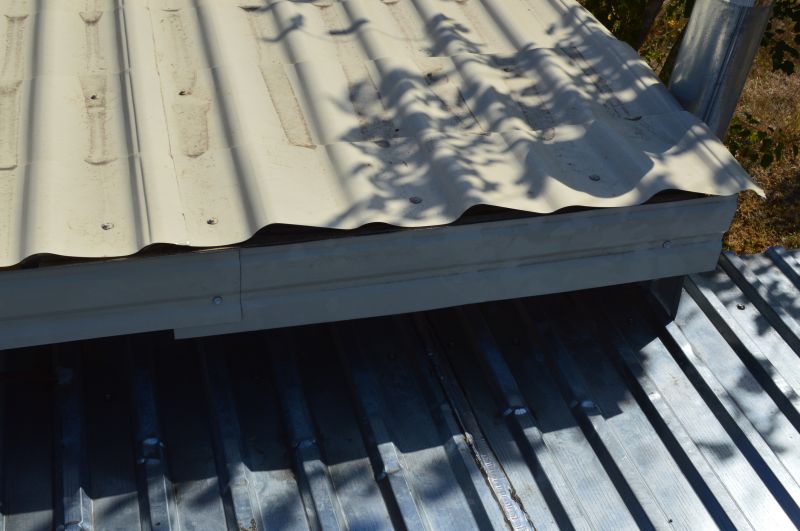
When homeowners search for information about common roof flashing problems that lead to water damage, they are often trying to understand how small issues with roof flashing can cause larger, costly problems inside their homes. Roof flashing is a critical component that seals joints, valleys, and areas around roof penetrations like vents, chimneys, and skylights. When flashing becomes damaged, improperly installed, or deteriorates over time, it can create pathways for water to seep into the roof structure. This search typically relates to concerns about leaks, water stains on ceilings, mold growth, or structural damage that might be developing unnoticed behind walls or ceilings.
The problems associated with roof flashing often connect to specific plans for roof repairs or replacements, especially when homeowners notice signs of water intrusion or suspect their roof's integrity. Common issues include cracked or rusted flashing, gaps or misalignments, and flashing that has been displaced due to weather or aging materials. These problems are usually part of larger maintenance or renovation projects aimed at preventing water from entering the home. Addressing flashing issues promptly can help avoid extensive interior repairs, mold remediation, or even the need for a full roof replacement down the line.
Properties most frequently affected by these issues tend to be residential homes, especially those with complex roof designs that incorporate multiple angles, valleys, or protrusions. Older homes are often more vulnerable due to aging materials and previous installation methods that may no longer meet current standards. Additionally, properties with poorly maintained or damaged roofs, such as those with missing shingles or inadequate flashing around chimneys and vents, are at higher risk. Local contractors experienced in roof flashing installation can assess these properties, identify potential problem areas, and recommend effective solutions to keep water out and protect the home's structure.
Understanding the connection between common roof flashing problems and water damage helps homeowners recognize the importance of timely repairs. When issues are identified early, local service providers can perform targeted repairs or replacements that restore the roof’s protective barrier. Proper flashing installation is essential for long-term roof performance, especially in areas prone to heavy rain or wind. Connecting with local contractors ensures that experienced professionals handle the work, using quality materials and proper techniques to prevent future problems. This proactive approach can help homeowners safeguard their property from water intrusion and the costly damage it can cause.
Roof Repair Projects - These projects often involve identifying and fixing issues with flashing to prevent water intrusion, requiring similar skills and tools used in roof flashing installation.
Gutter Replacement Services - Proper flashing installation is essential to directing water away from the roof and gutters, making these services relevant for addressing water damage concerns.
Chimney Flashing Replacement - This work involves installing and sealing flashing around chimneys, closely related to roof flashing techniques that prevent leaks and water damage.
Attic Waterproofing Projects - Ensuring a watertight seal in attics involves understanding flashing and sealing techniques that help mitigate common roof flashing problems.
Roof Vent Installation - Proper vent installation requires careful flashing to prevent leaks, aligning with skills needed to address common roof flashing problems that lead to water damage.
Skylight Installation Services - Installing skylights involves flashing to prevent water leaks, making this a related project that shares planning and sealing skills with roof flashing work.
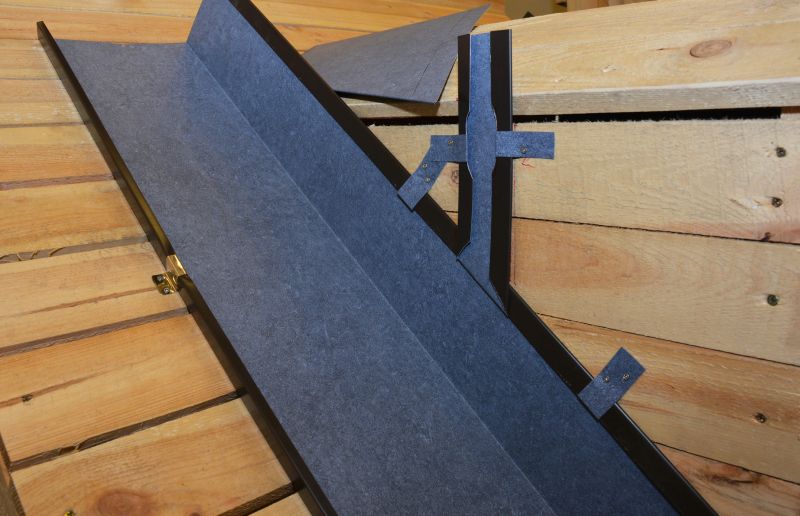
When comparing service providers for roof flashing installation, it is important to consider their experience with similar projects, especially those involving common roof flashing problems that lead to water damage. Homeowners should inquire about the types of roofs and specific flashing issues the contractors have addressed in the past to ensure they have relevant hands-on knowledge. A contractor who has successfully handled issues like improper flashing installation, damaged or deteriorated flashing, or flashing that doesn’t properly seal around roof penetrations is more likely to deliver a quality repair or upgrade that minimizes the risk of future leaks.
Clear written expectations are essential when evaluating local contractors for roof flashing services. Homeowners should seek detailed descriptions of the work scope, including the materials used, the installation process, and the steps taken to identify and address existing flashing problems. Having this information in writing helps ensure everyone is on the same page and reduces misunderstandings. It also provides a basis for comparing different service providers, making it easier to identify those who prioritize thorough, transparent communication.
Reputable references and good communication are key factors in choosing the right local pros for roof flashing installation. Service providers with positive references can offer insights into their reliability, workmanship, and how they handle issues related to water intrusion caused by flashing problems. Additionally, effective communication throughout the process-such as prompt responses to questions, clear explanations of options, and updates on project progress-can make the experience smoother and more predictable. These qualities help homeowners feel confident in the contractor’s ability to resolve common roof flashing problems that threaten the integrity of their roof and protect their home from water damage.
Property owners often search for common roof flashing problems that lead to water damage when they are planning practical projects around their homes and businesses. Local pros provide Roof Flashing Installation services for everyday jobs and straightforward project options.

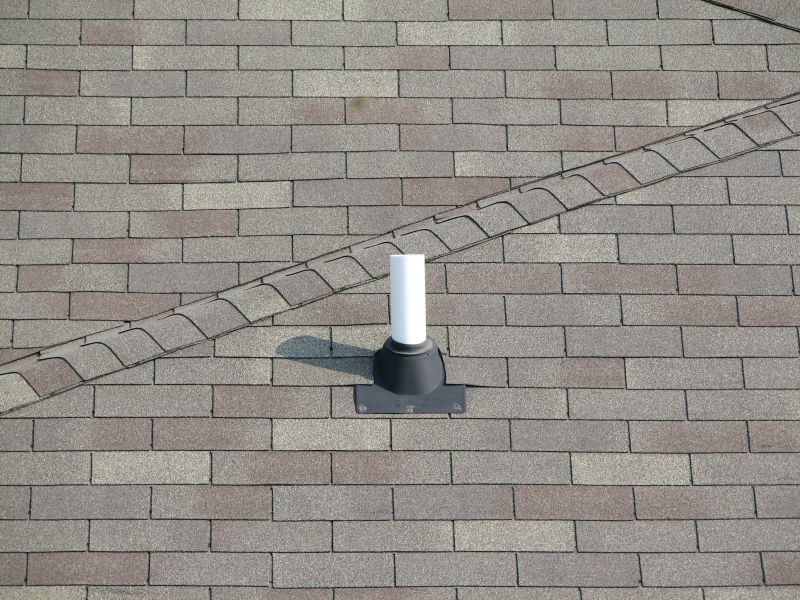
Many property owners in the area search for information on common roof flashing problems that lead to water damage because they’ve noticed leaks or water stains after heavy rain. These issues often stem from improperly installed or aging flashing around chimneys, vents, or skylights, which can develop gaps or cracks over time. Simple project situations, such as replacing a worn-out roof or adding new vents, may lead homeowners to seek the expertise of local contractors who specialize in roof flashing installation to prevent future water intrusion and protect the structure.
Understanding the causes of water damage related to roof flashing can help property owners identify potential problems early. Common issues include damaged or corroded flashing that no longer effectively seals vulnerable roof joints, or flashing that was poorly installed initially. When considering roof flashing installation services, it’s important to work with experienced local contractors who can ensure the flashing is properly fitted and sealed, reducing the risk of leaks and water damage down the line.
What are common roof flashing problems that lead to water damage? Common issues include improper sealing, rust or corrosion, and damaged or missing flashing, which can allow water to seep into the roof structure.
How can improper installation of roof flashing cause water leaks? Incorrect placement or sealing of flashing can create gaps or weak points, enabling water to penetrate and cause damage over time.
What signs indicate that roof flashing might be failing? Signs include water stains on ceilings, peeling paint, or visible rust and corrosion around flashing areas, suggesting potential water intrusion.
Why is it important to have damaged or missing flashing repaired promptly? Prompt repairs prevent water from infiltrating the roof, which can lead to structural issues, mold growth, and interior water damage.
How can local contractors help prevent water damage caused by roof flashing problems? Local contractors can inspect, properly install, and repair flashing to ensure it effectively directs water away from the roof and prevents leaks.
Inspecting flashing details regularly - property owners can schedule routine inspections to identify early signs of damage or deterioration that may lead to water leaks, with local contractors providing expert assessments.
Sealing and caulking vulnerable areas - applying proper sealants around flashing components can prevent water from seeping in during heavy rain, and local service providers can ensure the job is done correctly.
Replacing damaged or corroded flashing - replacing compromised flashing helps maintain a watertight roof, and experienced contractors can handle the installation to prevent future issues.
Ensuring proper flashing installation during roof repairs - working with local pros during roof replacement or repair projects guarantees flashing is installed correctly to avoid common problems that lead to water damage.
If you are thinking about common roof flashing problems that lead to water damage for a property, this guide is meant to help you understand this topic, the typical project types, and how different options might fit your plans.
When you are ready, you can use the quote form on this page to share a few details about your project. From there, local pros can review the basics and follow up with options that match what you have in mind.